Tell us about the system
Inverter, array size, battery and how the building uses power.
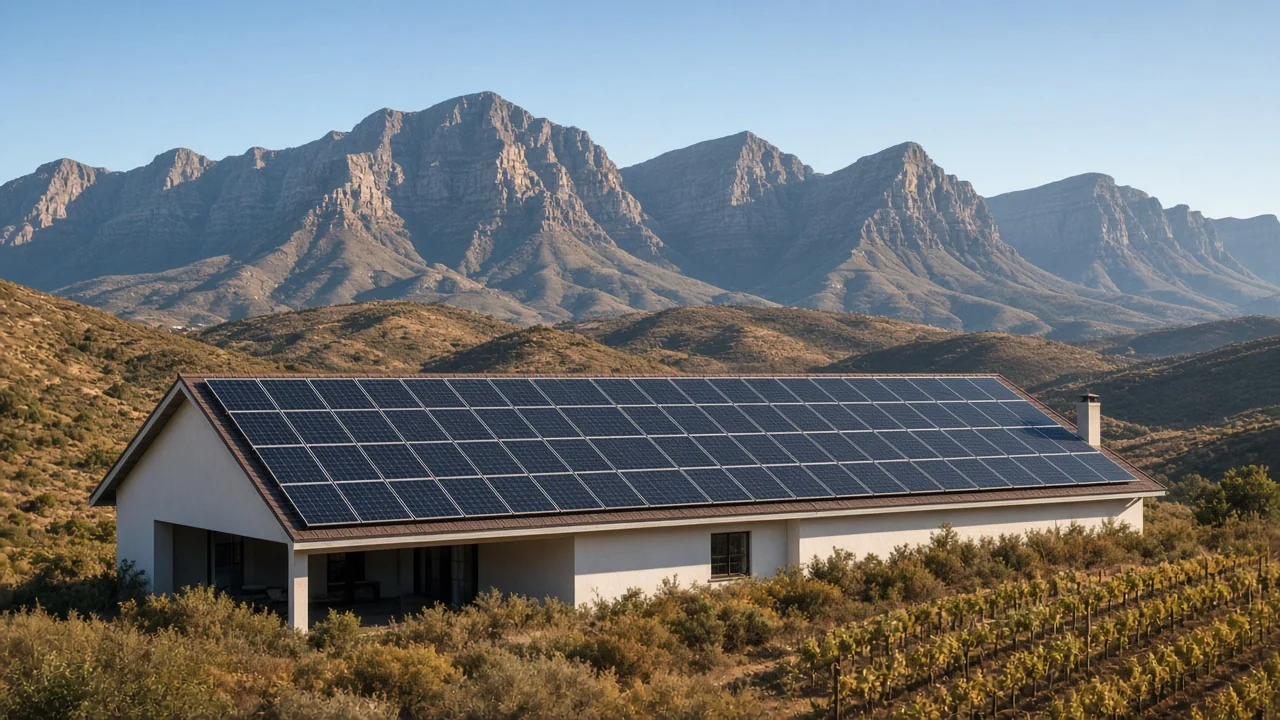
Midday surplus on solar roofs often goes unused. We install Bitcoin miners that run only on that surplus, and we share the mining revenue with you.
How it works
We connect to your inverter, run only when there is unused solar, and share what the machines earn.
Inverter, array size, battery and how the building uses power.
We start at about one eighth to one tenth of the array, so the building keeps first claim on the sun.
A controller starts, throttles or stops the miners with the surplus. Your backup battery stays reserved.
On a revenue share there is no machine for you to buy. We run and maintain the equipment.
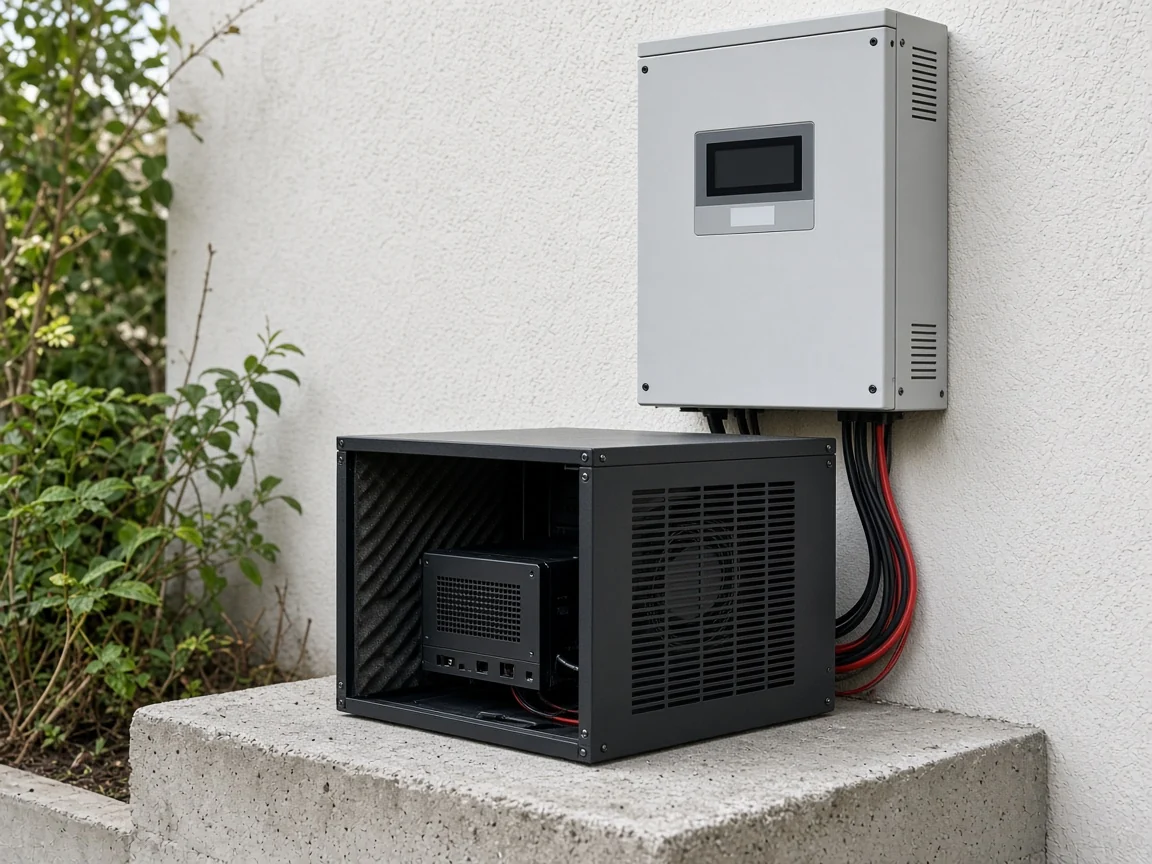
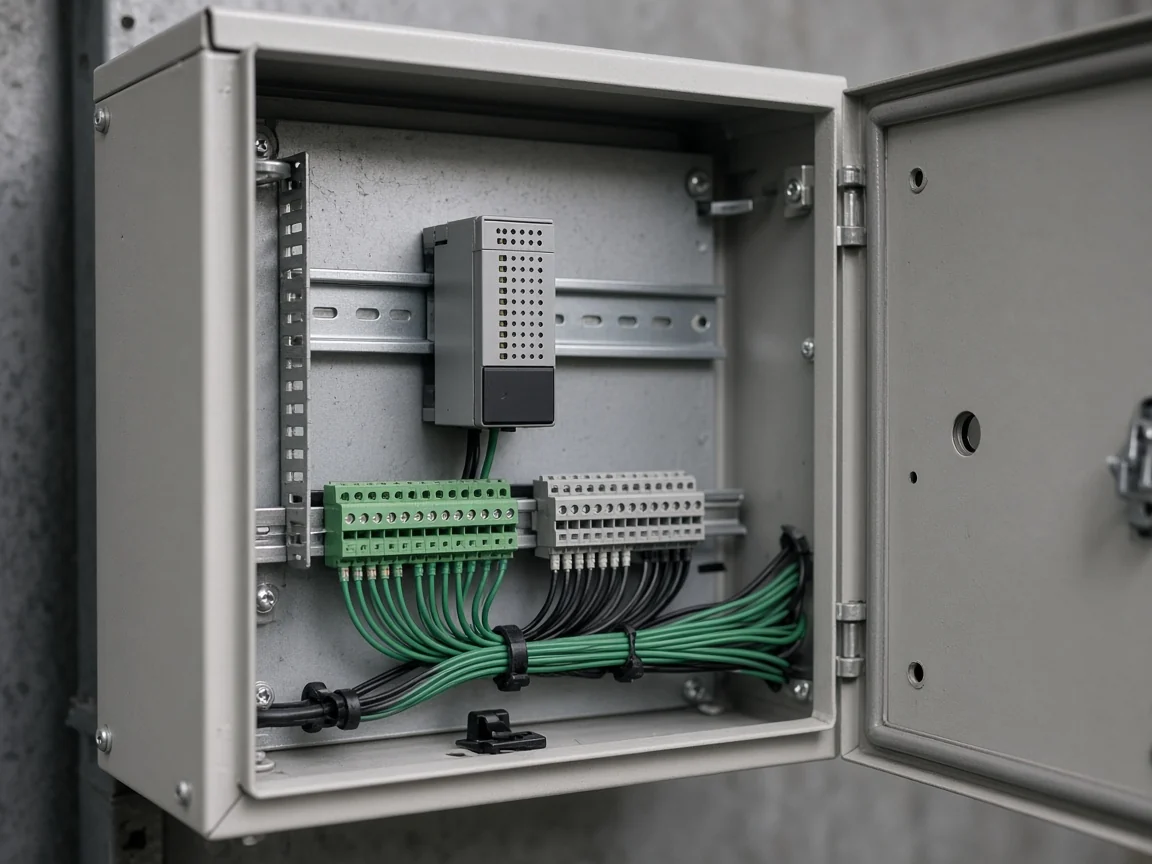
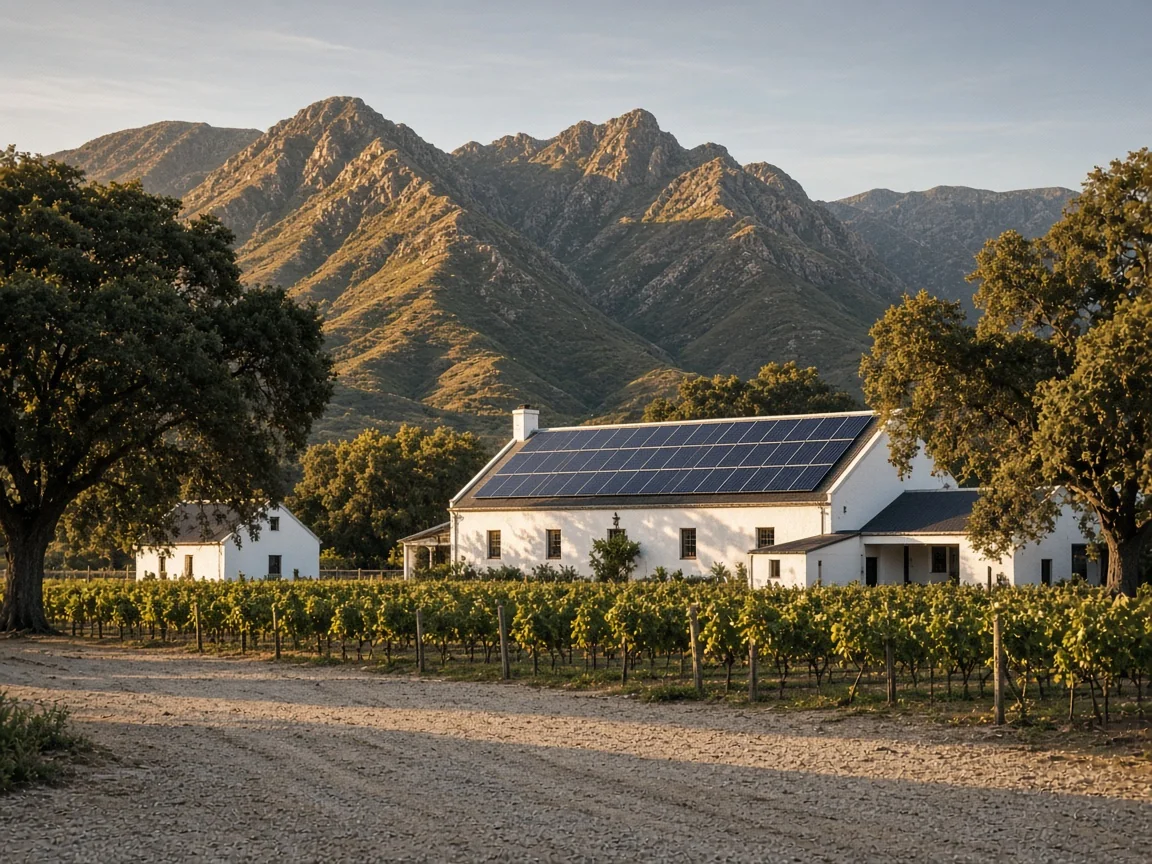
We work with solar sites across South Africa. Commercial roofs, warehouses, farms, estates and guesthouses are the usual fit. Larger home systems can work in an enclosure, away from bedrooms. If you already sell that surplus at a rate you like, this may not be a better use of it. Systems under about 30 kWp are looked at case by case.
Packages
Host on a revenue share, with no machine to buy. Or buy a miner, keep all of the hashrate, and pay a monthly service fee. In both cases the machines run only on surplus.
Quiet home unit
An enclosed unit, closer to a household appliance than to plant.
Service fee from R150 a month, if you own the miner
Rooftop pro
Stronger output, with noticeable fan noise, so it sits in a plant room or an enclosure.
Service fee from R200 a month, if you own the miner
Hydro plus heat
50 to 60 C water that can top up existing hot water, or serve a guesthouse, pool, winery, farm or laundry. Quiet indoors, with a dry cooler outside. Needs three-phase.
Service fee from R400 a month, if you own the miner
Entry miner
Unused solar, without heat recovery. Audible fans; we use an enclosure on homes and estates.
Service fee from R200 a month, if you own the miner
You provide unused surplus. We install and run the machines, and we share the mining revenue.
You buy the machine and keep all of the hashrate. Service fee from R150, R200 or R400 a month, depending on the package.
Heat that pays
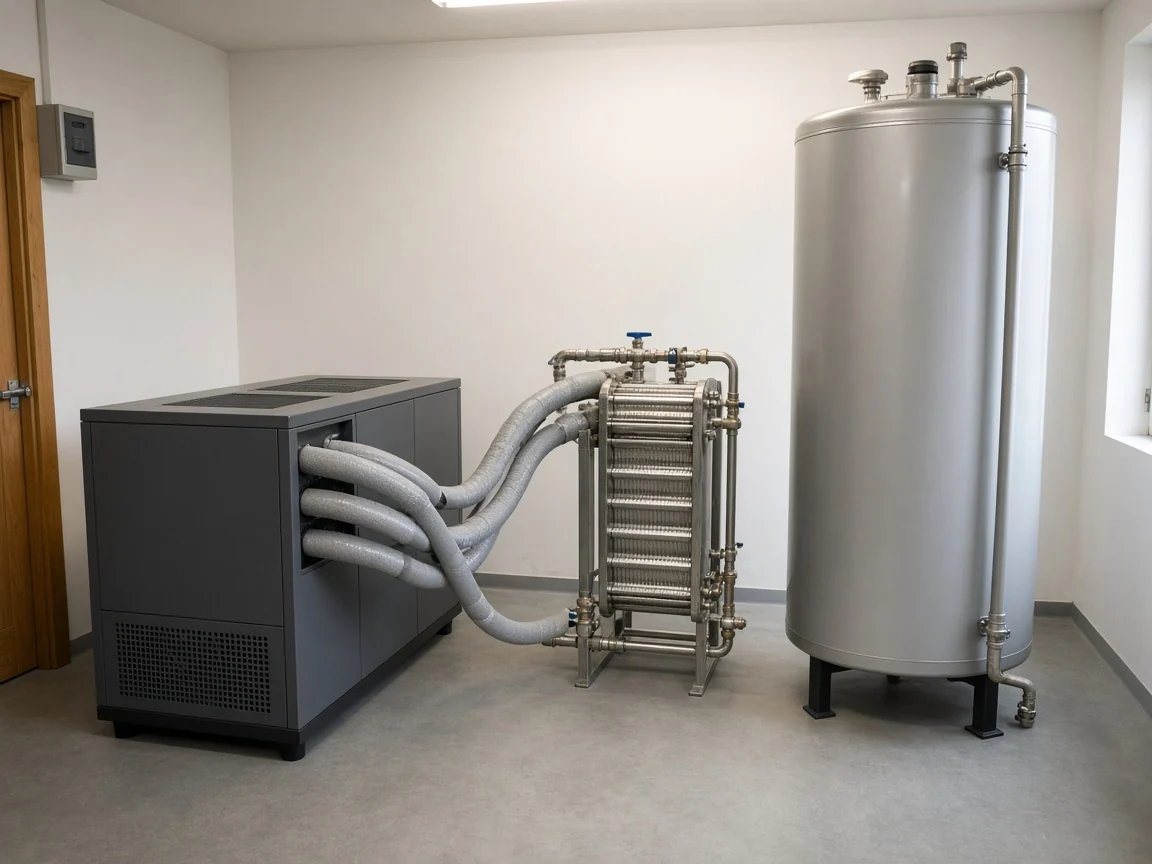
A hydro-cooled miner runs on unused solar and gives off 50 to 60 C water. We use it to top up existing solar or electric hot water on cloudy days and in winter, or for process heat at guesthouses, pools, wineries, farms and laundries.
Many homes already have a solar water heater. Your existing heater stays in place, and unused heat goes to a dry cooler.
Illustrative value, only where the heat is used
R1 000 to R3 900
per month, estimate, and only if the heat displaces grid-heated water
The figure is higher if that heat would otherwise have come from a resistive element, and close to nothing if a solar water heater already covers most of the demand.
Illustrative figures for a commercial hydro install, using a mid municipal residential energy rate as an example tariff. This is not a forecast or a guarantee.
Earnings
On a typical occupied roof, with solar about eight to ten times the miner load, the machines run about 30% of the hours in a year.
Illustrative monthly share
R260 to R320
per month, estimate
Sites under about 30 kWp are assessed case by case, and may not fit a standard layout.
Modelled at a 30% revenue share on an occupied roof, using an example South African climate series. The figures move with bitcoin price, the mining network and your actual surplus. The split is agreed per site. This is not a forecast or a guarantee.
FAQ
No. They start only when there is unused solar and a backup reserve is already held, and they do not import grid power to mine.
An on-site controller reads the inverter. The brands we support page lists each one and where it stands. The miners switch off if the inverter data goes stale.
The quiet home unit is closer to a household appliance. Hydro is quiet indoors; air-cooled units go in a plant room or an enclosure because of fan noise.
On a revenue share there is no upfront cost, and you share the mining revenue. If you buy a miner, you keep all of the hashrate and pay from R150, R200 or R400 a month.
Use the estimator for an illustrative monthly range. Figures move with surplus, weather, the bitcoin price and the mining network, and the share is agreed per site.
We work behind the meter and do not change your export settings. Your municipality's embedded generation (SSEG) rules still apply. This is not legal advice.
If that surplus already earns a feed-in credit you are happy with, this may not be a better use of the power.
Yes, on the hydro plus heat package, where there is a daily load to top up, or a process load such as a guesthouse, pool, winery, farm or laundry. We leave your existing solar water heater in place; a single home geyser is not a large enough load.
Only on efficient units, and only when those cycles are worth using. A backup reserve is always held, and the battery is never charged from the grid so that it can be mined.
Who is behind this
South African bitcoin miner and founder of HashrateUp.
If you have unused solar, tell us about it.